
Presentation software for structured visual communication
Microsoft PowerPoint is a presentation tool used to create slide-based content for professional, educational, and technical communication. It focuses on slide composition, content sequencing, and presentation delivery, allowing users to organize information into clear, logical narratives. The software is widely adopted for explaining ideas, reporting results, and supporting spoken discussions with structured visual material.
Top Recommended Alternative
For productivity-driven workflows, Microsoft PowerPoint supports building presentations that scale from simple outlines to detailed briefings. It enables controlled pacing, consistent formatting, and reusable layouts. While feature-rich, its core value lies in helping users present complex information in a clear, audience-friendly way.
How presentation workflows support clear messaging
Microsoft PowerPoint is built around a slide-based structure that helps users break information into manageable segments. Through slide layout management, content is arranged in a sequence that supports storytelling, instruction, or analysis. This approach encourages clarity by limiting how much information appears at once. Compared with tools like Google Slides or Keynote, it offers broader control over structure while keeping the workflow familiar and predictable.
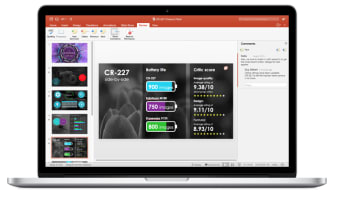
Usability balances depth with accessibility across everyday presentation tasks. Common actions such as arranging slides, inserting content, and reordering sections feel intuitive, while advanced tools remain available when required. Performance stays stable even with heavy text, charts, or embedded media. Features like animation sequencing help guide attention effectively, though the large number of options may require restraint to avoid visual clutter or distracting slide behavior.
From a user experience perspective, the software emphasizes consistency and control throughout presentation creation. Reusable slide templates help maintain visual coherence across large decks, reducing repetitive formatting work. The tradeoff is less automation for content design decisions, placing responsibility on the user. Still, for structured communication where clarity and pacing matter, the focused design supports dependable and repeatable presentation outcomes.
AI-powered creation and copilot enhancements
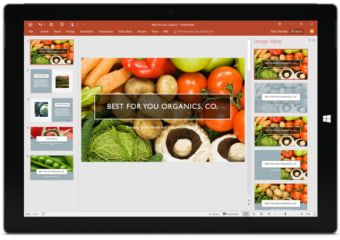
Microsoft has been rolling out significant AI-driven features as part of Microsoft 365 Copilot, transforming how presentations are created and refined. Copilot now helps users generate slide content, titles, and summaries based on natural language prompts—meaning you can describe what you want, and the tool suggests tailored text and layouts. There are also improvements in image editing directly within PowerPoint, such as background removal and object refinement, eliminating the need to switch to external tools for visual polish.
Smarter presentation workflow with Agent Mode
PowerPoint’s integration with Copilot includes an Agent Mode that lets you transform, polish, and edit your slides using a natural conversation interface. Through this mode, you can ask Copilot to refine slide layouts, update slide content, and maintain consistent branding across decks while preserving existing formatting. This capability helps reduce repetitive manual tasks and enables more natural workflow automation, especially within enterprise environments.
Enhanced media and accessibility tools
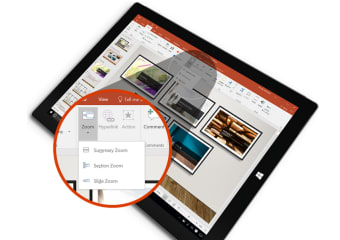
Recent updates have introduced refreshed image placeholders and improved visual tools within PowerPoint. Image placeholders now support direct insertion from multiple image sources, making it easier to build slides without leaving the app. Additionally, support for OpenDocument Format (ODF) 1.4 broadens compatibility with other document types, and tools like magnify in Slide Show view help presenters enhance accessibility and focus on specific content during delivery.
Integration with brand and enterprise assets
PowerPoint is adding features to streamline brand-compliant asset usage for organizations. The platform’s Organisation Images feature allows users to insert company-approved logos, icons, and photos from a SharePoint-managed asset library, ensuring visual consistency and compliance across presentations. This is particularly useful for teams and businesses that require centrally governed branding assets in all their communication materials.
A dependable standard for building presentations
Microsoft PowerPoint remains a reliable tool for creating structured, effective presentations. Its slide-based workflow, strong organization features, and stable performance support clear communication across many use cases. While it requires thoughtful design choices, the software rewards users with control and consistency. It is well suited for anyone who needs to present ideas, data, or narratives in a clear and organized format.
.svg.png)